Abra-ca-brassica
Summer is in full swing, and we’re already making big transitions out of our first field crops. The bok choy and napa cabbage are done for now, as we move into our first rounds of cucumbers, squash, broccoli and green cabbage.
While we’re talking about vegetables (strange…that’s unlike us), do you know what kohlrabi, kale, broccoli, cabbage, brussels sprouts, and cauliflower have in common?
If you said that they’re all cruciferous vegetables, you would be correct. But that’s not all.
They’re also the same plant.
All of these familar crunchy cultivars we eat on a regular basis are the exact same, taxanomically; Brassica oleracea. The case is the same for another large group of crucifers, Brassica rapa, which includes broccoli raab/rapini, turnips, rutabaga, bok choy, and even mizuna! What sets them apart is merely what part of the plant they are. Let’s take a jaunt into the past and break down how we got here, shall we?

Brassica oleracea Brassica napa
The image above is a depiction of the cogeners (wild, native species from which cultivars were domesticated from) of most of the cruciferous vegetables we are familiar with today. Nothing special going on there, right? Just two happy wild brassicas. We’re going to focus on B. oleracea for now, which is commonly known as wild mustard, and is native to the Mediterranean, as well as the coasts of France and Britain.
Between 900 B.C. and 600 A.D., people in these regions naturally selected seeds from plants whose morphologies were preferable. Those that produced larger leaves eventually became kale. Sometime after 1600, big leaf buds were all the rage, which we now call cabbage. Those who were selected for thick stems made their way to being kohlrabi, and so on. Check out their morphological origins below.

Where Brassica oleracea crucifers come from!
The diversity that can result from a bit of time, patience, and observation is plain for the eye to see. Now, what’s important to know about brassicas?
They are rich in vitamins, folate, calcium, fiber, and iron (Plants have been and always will be superfoods, before it was trendy!)
They are a notable source of glucosinates (Remember the blog post on secondary metabolites? This is one of them! Bioactive and cited as being anti-inflammatory, antioxidant, and chemo-protective.)
They are great at breaking up compacted soil and accumulating biomass (Big leaves mean soil coverage and moisture retention, and extra biomass not harvested goes back into the soil!)
They’re incredibly versatile in the kitchen (Sear cabbage like a steak, grate broccoli for fresh slaws or to stuff a calzone, roast kale chips or make a pipian (green mole) with it!)
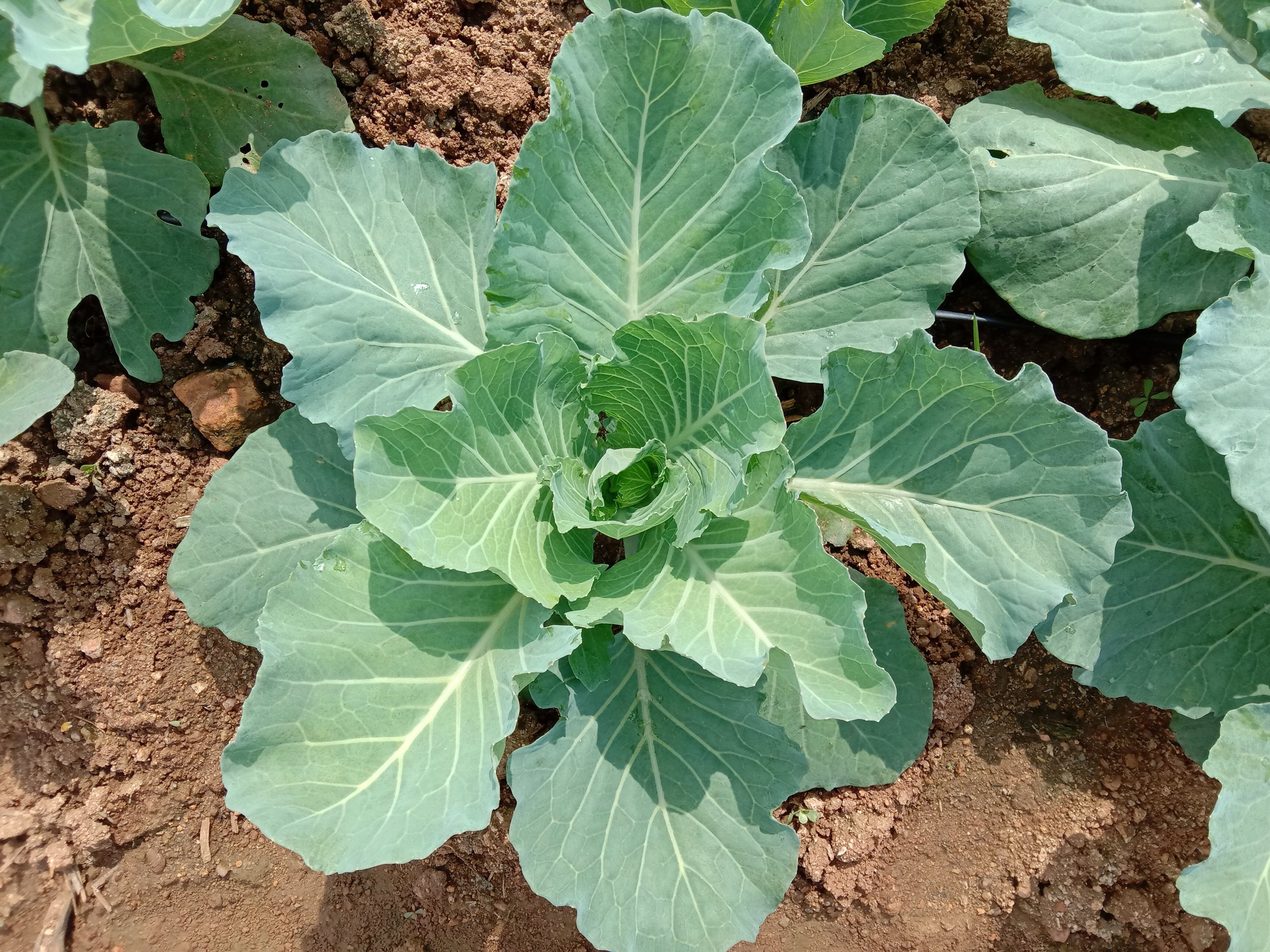
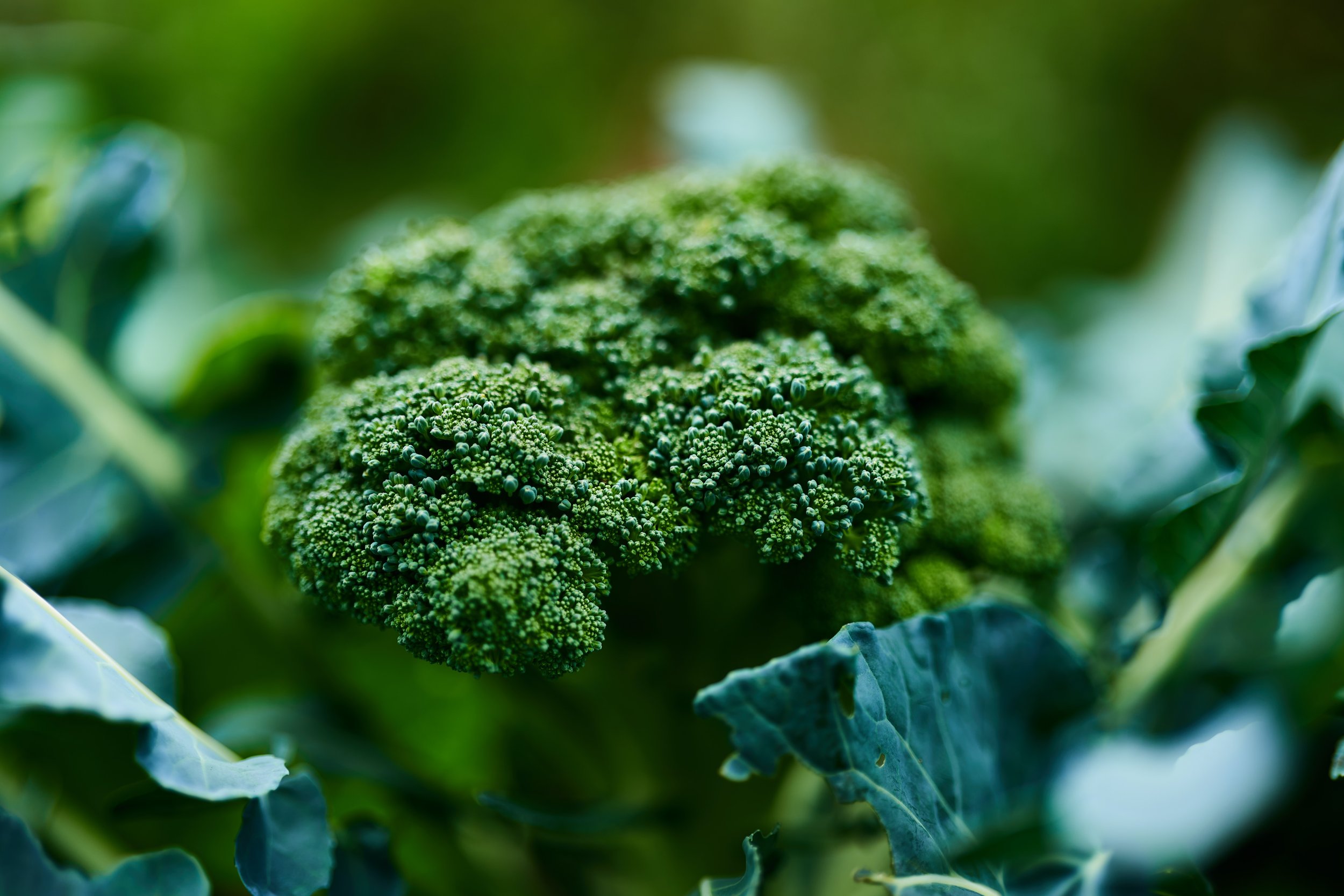
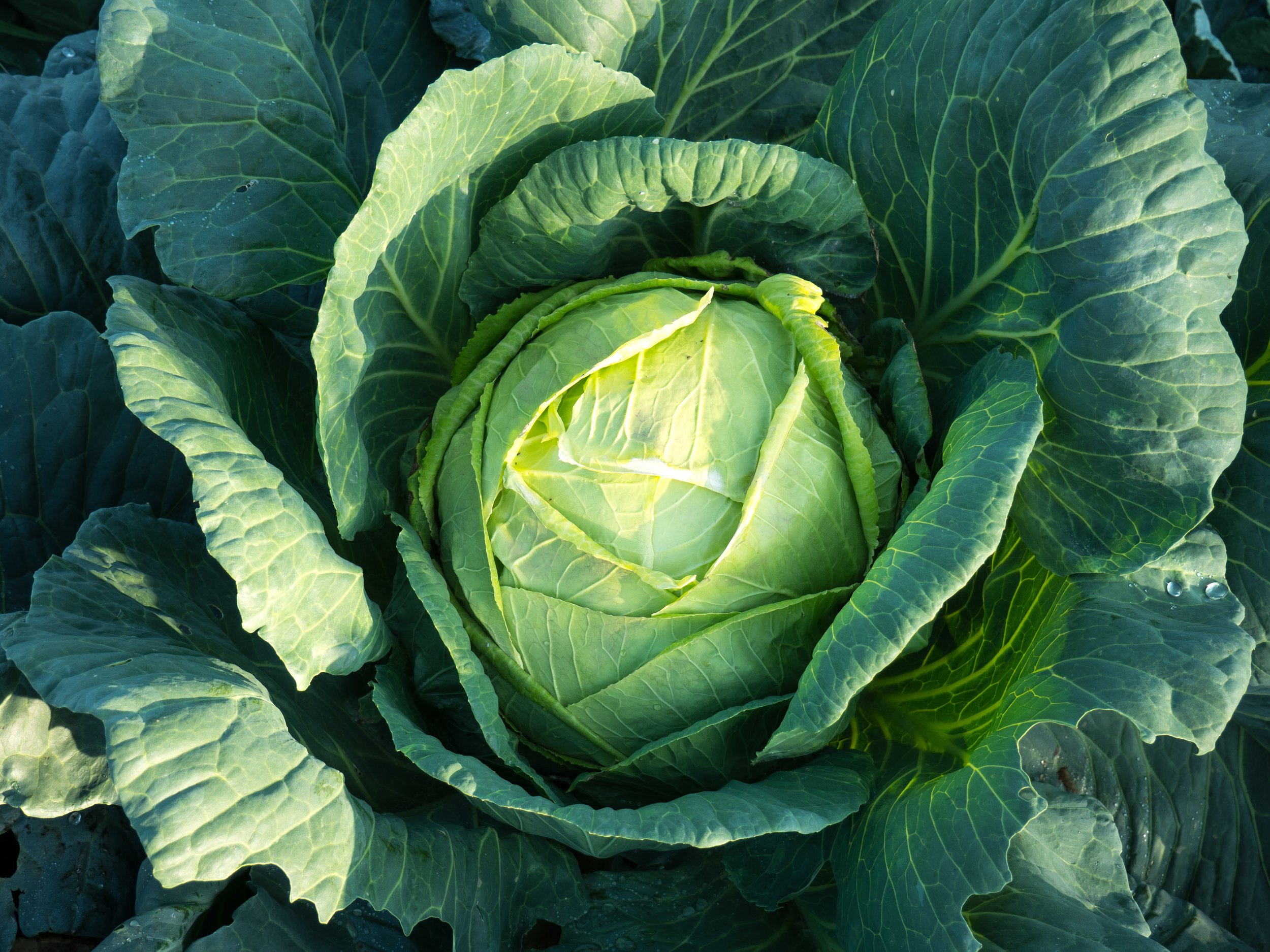
If you’re eating any brassicas raw, which while boasting the most bioavailability of those yummy glucosinates can also create a lot of gas, give them a good massage with a little salt and acid before chowing down. This goes for leafy crops like brussels sprouts, kale, cabbage, and bok choy. For the floret crops, steaming is recommended at the very least, just to break down those cell walls a bit and make them more digestible.
So ring in the cabbage with us this week and next! Try the recipe below when you pick up yours!
-
Ingredients:
1 medium head of cabbage (green or red)
Neutral oil
Olive oil
1/4 c. tomato paste
4-5 anchovies packed in oil, 1 tbsp anchovy paste, or 1 tbsp dark miso
1 tsp chili flakes
1 tsp fennel seeds
1 tsp coriander seeds
1 tsp cumin seeds
3 cloves garlic, thinly sliced
1/2 red onion, sliced longitudinally (frenched)
Capers (whole) your favorite olives (sliced) preserved lemon (diced) or other briny morsel
3/4 c. red wine
vegetable or animal broth/stock
salt and pepper to taste
Procedure
Preheat the oven to 400F.
Cut the cabbage through the core into quarters or sixths , depending on how large the cabbage is. Salt the open sides and set aside.
Preheat a heavy bottomed skillet with high walls on high heat - a large cast iron pan is ideal.
Add neutral oil. When it starts to shimmer, pat the cabbage sides dry, and add to the pan, searing both sides until caramelized - darker is better.
Remove the cabbage from the pan, turn down the heat, and quickly wipe out excess oil and crusty bits with a paper towel.
Add fennel, coriander, and cumin seeds, toasting and agitating until fragrant. In a mortar and pestle, gently crush the seeds.
Add a generous 3-4 tbsp of olive oil into the pan on medium heat, as well as the onion, tomato, anchovy paste, and a splash of water.
Keep things moving. When the anchovy is dissolved and the onion softens, add the sliced garlic, spices, and briny morsel of choice, followed by the wine. (Careful with the alcohol near a flame! Turn down the heat when you add it to avoid a show).
Once everything is incorporated, add the cabbage cut side down into the pan, nestling the wedges amongst the rest of the ingredients.
Add stock/broth until atleast an inch of the wedges (preferably 2). Place into the oven and braise for 20-30 minutes.
Remove the cabbage and serve with a mountain of parmesan, a cooling yogurt/tahini sauce, or over couscous with plenty of herbs.